
Chapter 3
Rebuilding from Chaos: The Critical Path to Recovery
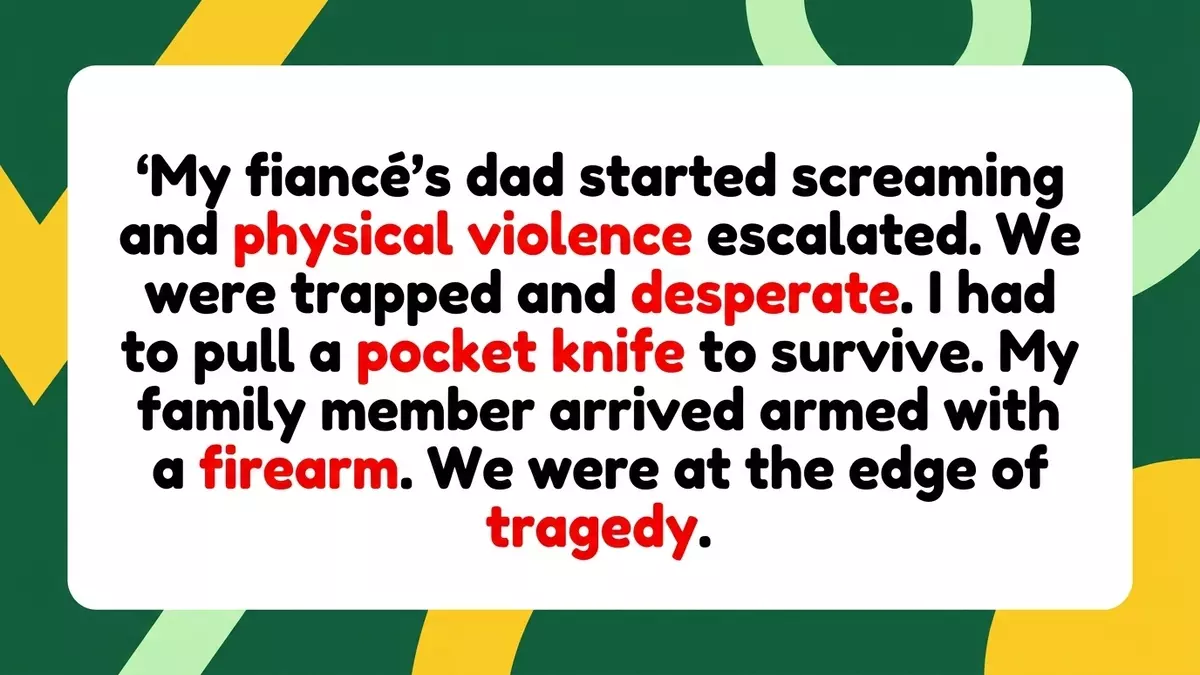
The harrowing confrontation left the young couple's social circle and online communities deeply fractured. While some observers fiercely defended the woman's actions as a justified, instinctual act of self-defense, others argued that introducing a knife and involving an armed relative needlessly escalated a highly volatile domestic dispute into a potentially fatal situation.
According to trauma recovery resources, including the Substance Abuse and Mental Health Services Administration, breaking a cycle of generational trauma and domestic instability requires a strict hierarchy of intervention:
1. Immediate Physical Safety (Secure Independent Housing)
       │
       ▼
2. Establish Unbreakable, Non-Negotiable Boundaries
       │
       ▼
3. Engage in Intensive, Trauma-Informed Professional Therapy
Attempting to de-escalate or manage an active addict's rage without professional support is an exercise in futility. For this young couple, the path forward cannot involve compromise or ongoing mediation. Their survival depends entirely on maintaining absolute physical distance from the toxic environment and working with qualified professionals to unpack the deeply ingrained trauma responses that led them to the brink.
FAQs
What is chronic hypervigilance and how does it affect decision-making?
Chronic hypervigilance is a prolonged psychological state where an individual remains on extreme alert for potential hidden dangers. It typically develops as a survival mechanism in response to childhood trauma or unstable environments. In a crisis, a hypervigilant nervous system skips logical evaluation and moves directly into a reflexive fight-or-flight response, perceiving threats as immediate matters of life or death.
Why do survivors of childhood abuse often stay in toxic adult environments?
Survivors often normalize chaos and emotional volatility because it mirrors their early childhood experiences. This familiarity can cause them to mistake extreme instability for a situation they can control or manage, leading them to suppress their own safety instincts and tolerate abusive behavior far longer than someone from a stable background would.
What are the dangers of introducing weapons into a domestic dispute?
Introducing weapons like knives or firearms into an active domestic conflict drastically increases the probability of accidental injury or death. Even when intended purely for self-defense, a weapon escalates the emotional stakes, often causing an intoxicated or irrational aggressor to match that level of violence, transforming a verbal or physical altercation into a fatal event.
How can financial instability trap individuals in abusive households?
High housing costs, lack of credit, and minimal savings prevent victims from securing independent living arrangements. When individuals lack the financial resources to pay for a lease or a hotel room, they are often forced to remain in unsafe environments, relying on abusive relatives for basic survival and shelter.