
Chapter 3
Frequently Asked Questions
1. Why are native plants so critical for backyard gardens?
Native plants are species that have naturally evolved within a specific geographic region over thousands of years. They are uniquely adapted to local soil, rainfall patterns, and climate conditions. Most importantly, they provide essential food, pollen, nesting materials, and habitat for local insects, birds, and endangered pollinators that cannot survive on non-native exotic plants.
2. What makes a plant "invasive," and why is it dangerous?
A plant is considered invasive if it is non-native to an ecosystem and its introduction causes—or is likely to cause—economic or environmental harm. Without natural local predators, diseases, or competing wildlife to keep them in check, invasive species reproduce rapidly, choke out native flora, deplete soil nutrients, and permanently disrupt local food webs.
3. How do you handle a gift that directly violates your lifestyle or ethics?
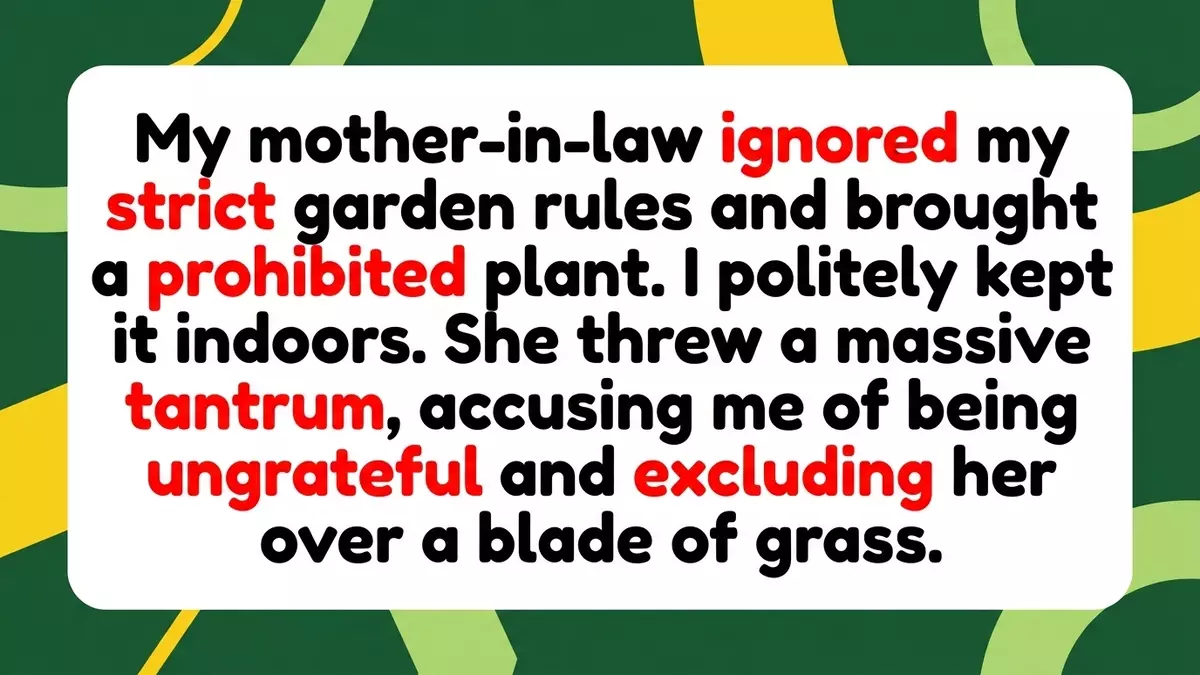
The most polite way to handle an incompatible gift is to accept the kindness of the gesture while setting a firm boundary regarding its use. You can offer a compromise (such as keeping an outdoor plant indoors, or donating an item to charity), but you are under no moral or social obligation to alter your home, health, or ethical practices to appease a giver.
4. What should a spouse do when their parent attacks their partner's boundaries?
The spouse whose parent is causing the conflict must take full responsibility for managing the relationship and enforcing boundaries. They should directly address the parent, validate their partner's stance, and make it clear that household decisions are made as a team. Allowing a parent to insult or pressure a partner erodes the baseline trust of the marriage.
5. Why do in-laws frequently cross boundaries over home decor or landscaping?
Landscaping, interior decorating, and child-rearing are the most common arenas for in-law boundary disputes because they are highly visible expressions of adult independence. Controlling family members often use criticisms or pushy gifts in these categories as subtle psychological tests to see if they still hold authority over their adult children's lives.