2.Take Proactive Ownership of Common Chores:Time: Weekly Routine.
Do not wait to be asked or nagged to contribute to the home. Clean the kitchen after meals, manage the trash bins, and volunteer for heavy yard work. Taking immediate, independent action proves visually that you are an adult roommate rather than a child waiting for instruction.
3.Enforce De-escalation Boundaries Neutrally:Time: During a Disagreement.
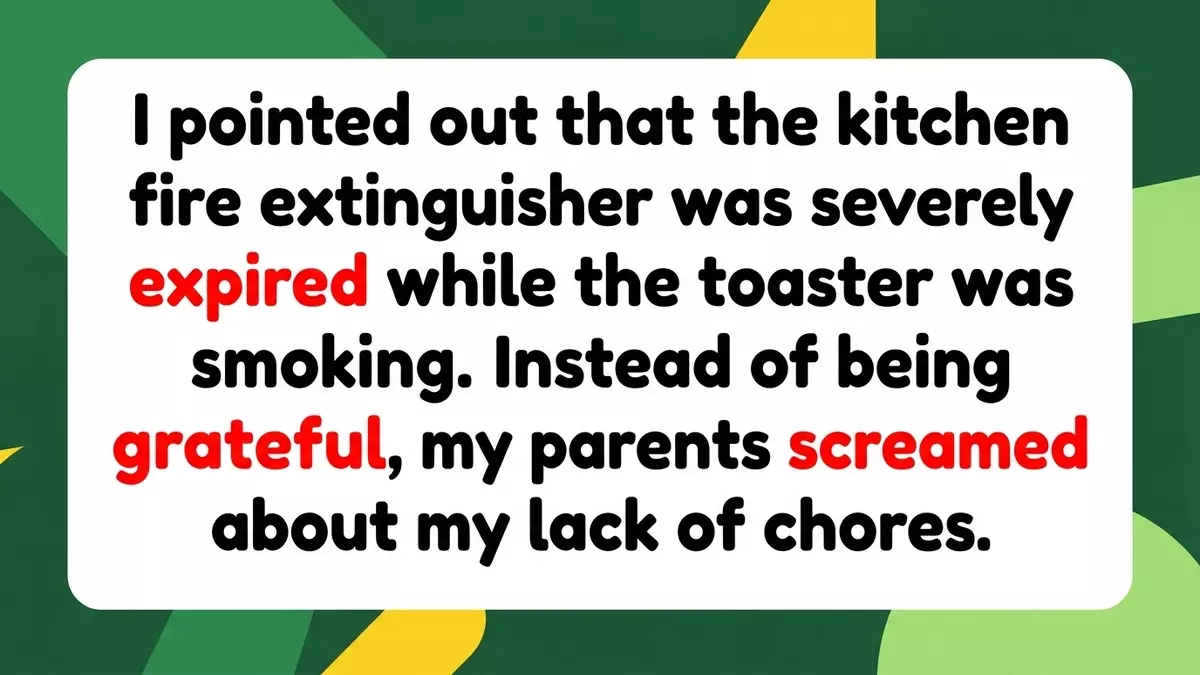
If a parent attempts to drag past childhood issues or unrelated chores into a modern conversation, establish a calm, psychological boundary. Say: "I am completely open to discussing my chore rotation with you after dinner, but right now, let’s stay focused strictly on replacing this safety equipment."
Conclusion: Setting Boundaries from Day One
Ultimately, a successful multi-generational cohabitation relies entirely on setting crystal-clear boundaries and fiercely resisting the internal temptation to fall back into childhood roles. Returning home during a career transition is an intelligent, resourceful strategy to rebuild your life, but it should never become an emotional time warp. By treating your parents as equals, addressing grievances calmly before they boil over, and balancing genuine gratitude with firm personal boundaries, you can successfully turn a stressful pit stop into a launching pad for your next adult chapter.
Frequently Asked Questions (FAQ)
How long do home fire extinguishers actually last before they expire?
Most standard, commercial dry-chemical fire extinguishers have a functional lifespan of 5 to 12 years. You should check the manufacturing date stamped on the cylinder body or review the pressure gauge monthly; if the needle has drifted out of the green zone and into the red zone, the unit must be replaced or professionally recharged immediately, regardless of its age.
What should I do if my parents refuse to treat me like an adult when I live with them?
You cannot force your parents to change their internal mindset, but you can entirely control your reactions. Avoid matching their emotional intensity or reverting to teenage defiance. Maintain a calm, professional, and roommate-like demeanor at all times, communicate your boundaries clearly, and focus your daily energy on execution—building your savings so you can safely move back out into your own space.
Is it normal for parents to feel underlying resentment when an adult child moves back home?
Yes, this is an incredibly common and natural psychological reaction. Parents who have successfully adjusted to an "empty nest" lifestyle have cultivated their own routines, privacy, and financial freedom. Re-introducing an adult child back into that environment disrupts that established peace and can trigger hidden financial anxieties or stress, which frequently bleeds through as passive-aggressive scorekeeping during unrelated daily arguments.