
Chapter 2
Compassion Fatigue and the Reality of Veterinary Burnout
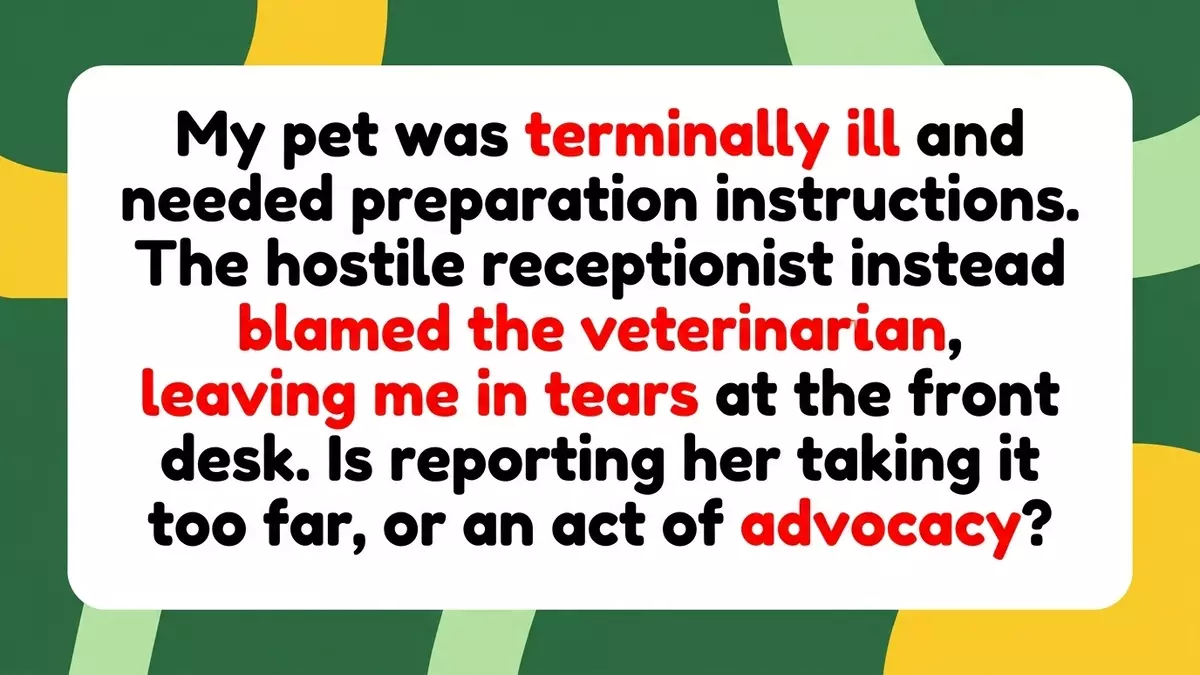
While the receptionist's hostile behavior is unacceptable, behavioral experts point out that such outbursts are frequently symptoms of systemic issues within the veterinary industry. Front-desk staff operate on the front lines of high-stress medical environments, routinely dealing with financial disputes, emotional breakdowns, and medical emergencies.
Over time, exposure to chronic stress can lead to compassion fatigue and severe emotional burnout. When frontline workers exhaust their emotional reserves, burnout often manifests as:
Cynicism and Hostility
A subconscious defense mechanism where staff members become cold or combative to distance themselves from the emotional pain of the clients they serve.
Defensiveness and Blame Shifting
An inability to handle routine criticism or errors, leading individuals to lash out at coworkers or project their frustrations onto the nearest available target.
Understanding the root cause of burnout does not excuse unprofessionalism, but it underscores why clinic leadership must be made aware of these behavioral shifts before they result in catastrophic administrative negligence.
How to Report Front-Desk Misconduct Objectively
For pet owners hesitant to report a rude staff member, experts recommend framing the feedback around patient safety and operational efficiency rather than personal annoyance. This ensures that clinic management takes the report seriously instead of dismissing it as an interpersonal grievance.
-
Request a Private Discussion: Schedule a brief, calm conversation with the practice manager or the head veterinarian. Avoid airings grievances publicly in a crowded waiting room or on social media platforms initially.
-
Stick strictly to the Facts: Present a clear, chronological timeline of the events. Focus on documented instances—such as missed phone calls, withheld fasting instructions, or the specific instance of the receptionist blaming the doctor—rather than focusing entirely on the emotional impact.
-
Highlight the Threat to Patient Care: Explicitly state how the communication breakdowns could have compromised your cat's treatment plan. When management realizes that administrative errors pose a direct liability to animal health, they are forced to intervene immediately.
-
Maintain a Constructive Tone: Emphasize that your goal is to help improve the clinic's workflow and protect other grieving families from experiencing similar distress during a crisis.
Conclusion: Advocacy Is Part of Pet Ownership
Ultimately, reporting a combative or negligent vet receptionist is not going too far—it is a vital extension of your responsibility as a pet advocate. While veterinary staff face immense daily pressure, maintaining professional boundaries and patient safety must remain the absolute priority, particularly when dealing with sensitive, end-of-life care. Speaking up ensures that clinic leadership can address internal friction, provide necessary training, or implement staff changes to preserve a supportive environment. Protecting your peace of mind and your pet's medical care should never be compromised to accommodate a hostile gatekeeper.