
Chapter 2
The Traditional 'Provider' Framework
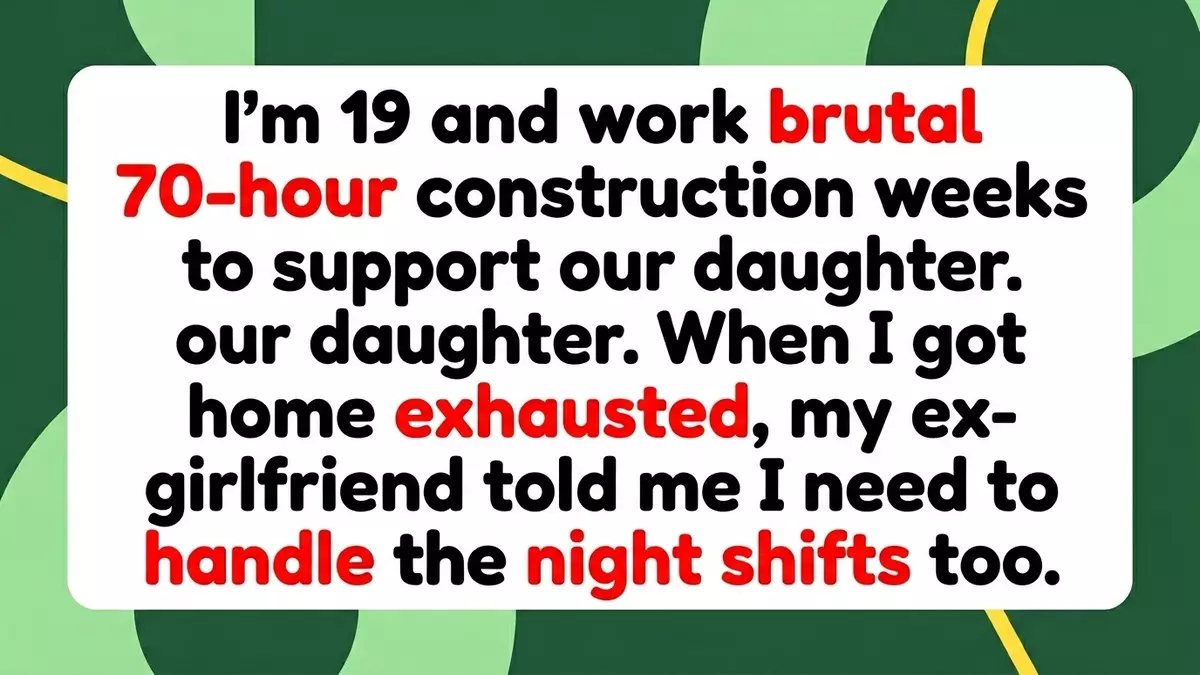
The father's behavior is driven by a traditional provider mindset. In his eyes, a father's primary utility is structural protection and financial wealth preservation. By securing a high-paying union job at 19, he believes he has successfully fulfilled his parental obligation, protecting his child from housing and food insecurity.
The Hands-On 'Nurturer' Expectation
Conversely, the mother is operating within an immediate, nurturing framework where time and physical labor are the primary currencies of care. Research from the Pew Research Center indicates that modern parents increasingly face intense pressure to be both financial pillars and deeply involved, hands-on caregivers. When one parent is entirely absent due to work, the primary caregiver often feels abandoned and resentful, regardless of how many utility bills the paycheck covers.
The Structural Threat: Navigating Co-Parenting While Separated
The fact that these two young parents are no longer romantically involved adds a severe layer of complexity to the dispute. In a standard household, a partner might naturally absorb extra labor to support a working spouse. However, in a co-parenting dynamic across separate households, boundaries easily blur, and informal agreements quickly deteriorate into toxic scorekeeping.
When a young father lacks a formal framework for his parental rights, relying solely on informal cash transfers, he leaves himself highly vulnerable. If the relationship sours completely due to resentment over his work hours, an ex-partner can easily restrict access to the child, leaving the father with zero legal recourse despite his immense financial contributions.
How to Balance High-Hour Careers with Early Parenthood
Navigating parental responsibilities under high-pressure work conditions requires moving away from emotional blame and establishing clear, structured boundaries. For young fathers trying to maintain a career while showing up for their children, experts suggest several critical steps:
-
Formalize Child Support and Custody Legally: To protect your parental rights and secure long-term stability, move away from informal handovers. Establishing an official custody arrangement and child support structure through the courts creates clear, legally binding boundaries that define exactly what your financial and physical obligations are.
-
Coordinate Structured Relief Windows: Instead of trying to parent effectively while running on zero sleep after a 12-hour shift—which compromises workplace safety at a construction site—allocate specific, high-value blocks of time on your days off. Offering a dedicated four-hour window on a weekend gives the primary caregiver predictable, guilt-free relief.
-
Prioritize Direct Bonding Over Pure Volume: When time is limited, the quality of interaction matters immensely. Stepping away from your phone to read, hold, and talk to your baby during your brief windows of availability builds an enduring sensory bond, proving your commitment to being more than just a financial resource.